
Ayahuasca Retreat in Costa Rica | Ruhani Wellness Centre, Guanacaste
Safe, Structured Healing with Integration at Ruhani Wellness Centre
A Different Kind of Ayahuasca Retreat. Private. Guided. Built Around You.
Most ayahuasca retreats in Costa Rica run groups of 10, 15, sometimes 20 people through the same program. Same schedule. Same ceremonies. Same timeline for everyone.
That works for some people. But if you are someone who needs space, privacy, and real attention, a group setting can actually get in the way of deep healing.
At Ruhani Wellness Centre in Guanacaste, Costa Rica, we do things differently. Our ayahuasca retreats are private. One guest. One guide. One ceremony designed around your life, your history, and what you came here to work through.
No group dynamics. No performing your healing in front of strangers. Just you and the medicine, held by someone who has walked this path and knows how to hold the space safely.
What Is Ayahuasca?
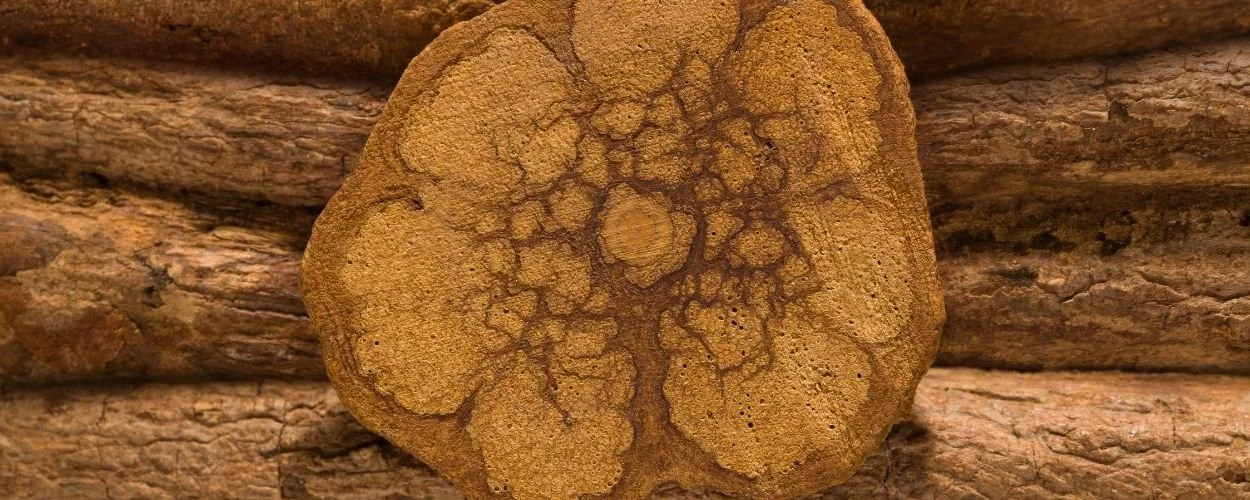
Ayahuasca is a sacred plant medicine brewed from two plants native to the Amazon basin: the Banisteriopsis caapi vine and the Psychotria viridis leaf. Indigenous communities across South America have used ayahuasca in ceremonial settings for centuries as a tool for spiritual healing, emotional clearing, and deep self-understanding.
The brew contains naturally occurring DMT (dimethyltryptamine), which is activated by MAO inhibitors present in the vine. Together, these compounds create a powerful experience that can last four to six hours.
During an ayahuasca ceremony, people often experience vivid imagery, emotional releases, physical purging, and a deep sense of connection to themselves, their past, and the larger patterns running their lives. Some describe it as years of therapy compressed into a single night. Others say it showed them things about themselves they had been avoiding for decades.
Ayahuasca is not a recreational substance. It is a serious medicine that demands respect, proper preparation, experienced facilitation, and thorough integration after the ceremony.
The word "ayahuasca" comes from the Quechua language, roughly translating to "vine of the soul" or "vine of the dead." Indigenous peoples across Peru, Colombia, Ecuador, and Brazil have used ayahuasca as a tool for healing, divination, and spiritual guidance for generations. The tradition carries a weight and a wisdom that modern science is only beginning to catch up with.
In recent years, clinical research has started exploring how ayahuasca affects the brain. Studies suggest it can promote neuroplasticity, the brain's ability to form new neural connections. This may explain why so many people report lasting shifts in perspective, behavior, and emotional patterns after working with the medicine. It is also being studied for its potential benefits in treating depression, PTSD, addiction, and anxiety.
But research papers do not capture the full picture. Ayahuasca operates on levels that science does not yet have language for. The emotional, spiritual, and energetic dimensions of the experience are what most people describe as truly life-changing.
Why Costa Rica for Ayahuasca?
Costa Rica has become one of the most trusted destinations in the world for ayahuasca retreats. There are a few reasons this makes sense.
The country does not explicitly prohibit ayahuasca, which allows retreat centers to operate openly, with real safety protocols, proper screening, and accountability. You are not sitting in someone's basement hoping things go well. You are in a structured, professional environment.
Costa Rica's wellness culture runs deep. The concept of "Pura Vida," living simply and in harmony with nature, is built into the fabric of daily life here. That kind of environment makes a real difference when you are doing deep emotional and spiritual work.
Guanacaste, where Ruhani is located, sits in one of the world's five Blue Zones, regions known for exceptional health and longevity. The energy of the land here supports healing work in a way that is hard to explain until you feel it yourself.
And practically speaking, Costa Rica is easy to reach from North America and Europe. Liberia International Airport (LIR) is a short flight from many major cities, and Ruhani is an easy drive from the airport.
Costa Rica also offers something that many ayahuasca destinations in South America cannot: infrastructure. Roads are reliable. Medical facilities are accessible. Communication is easy. You are doing deep, intense inner work, and knowing that the practical side of your trip is handled creates the kind of safety net that lets you fully surrender to the process.
The combination of legal clarity, natural beauty, wellness culture, accessibility, and practical infrastructure is why Costa Rica has become a global destination for people seeking ayahuasca in a responsible setting.
How Ayahuasca Ceremonies Work at Ruhani
Every ayahuasca retreat at Ruhani begins long before you arrive in Costa Rica. We start with a thorough intake process, a private consultation where we review your physical health, mental health history, current medications, and your intentions for working with the medicine.
This is not a formality. It is how we keep you safe.
Before Your Ceremony: Preparation
Once you are cleared to participate, we guide you through a structured preparation period. This includes dietary recommendations (the ayahuasca diet), guidance on tapering off any contraindicated medications under your doctor's supervision, and intention-setting work to help you get clear on what you want to address.
You will also receive information about The Arbol Method, our signature approach to healing that combines plant medicine ceremony with psychology-based integration, inner child trauma work, and sound therapy. This is what makes Ruhani different from a traditional ayahuasca-only retreat. The ceremony is one piece of a larger healing framework.
During Your Ceremony
Your ayahuasca ceremony at Ruhani takes place in a private ceremonial space. It is just you and your guide. No group energy to navigate. No strangers purging next to you. No pressure to perform your experience for an audience.
The ceremony follows a structured protocol. Your guide stays with you throughout the entire experience, monitoring your physical and emotional state, providing sound healing through didgeridoo, flute, and other instruments, and holding the energetic container so you can go as deep as you need to go.
Ayahuasca ceremonies typically last four to six hours. During that time, you may experience visual imagery, emotional releases, physical purging (vomiting is normal and considered a form of energetic clearing), insights about your life patterns, and moments of profound clarity about what needs to change.
Some ceremonies are gentle. Some are intense. Your guide is trained to support you through both.
After Your Ceremony: Integration
Here is where most retreats fall short. The ceremony ends, you get a hug, and you are sent home to figure it out on your own.
At Ruhani, we believe integration is where the real transformation happens. The ceremony opens the door. Integration is how you walk through it and stay on the other side.
Our post-ceremony integration program includes one-on-one sessions with your guide in the days following ceremony, structured journaling prompts to help you process what came up, and a multi-week integration support program that continues after you return home.
This includes scheduled Zoom calls, a downloadable Integration Journal, and weekly support emails designed to help you apply what you learned in ceremony to your actual life, your relationships, your habits, your work, and your sense of self.
Transformation that does not get integrated fades. We built our entire program to make sure that does not happen.
Why Integration Makes or Breaks Your Ayahuasca Experience
Think about it this way. The ayahuasca ceremony is like pulling weeds from a garden and planting new seeds. If you walk away from that garden and never water it, nothing grows. The weeds come back. The seeds die.
Integration is the watering. It is the daily tending. It is what turns a single powerful night into a genuine life change.
Too many people fly home after an ayahuasca retreat, get hit by the noise of their normal life, and within two weeks the insights start fading. The old patterns creep back in. The clarity dissolves. They start wondering if the experience was even real.
This happens because the ceremony alone is not enough. You need a structure to catch what the medicine gives you. You need someone who understands the territory to help you make sense of what you saw, felt, and released. You need concrete practices, not just good feelings.
That is exactly what our integration program provides. It is not an afterthought. It is the second half of the healing process. And at Ruhani, we treat it with the same seriousness as the ceremony itself.
Safety: How We Protect You During Ayahuasca
Safety is not a marketing line at Ruhani. It is the foundation everything else is built on.
Ayahuasca contains MAO inhibitors that can interact dangerously with certain medications, particularly SSRIs, antidepressants, blood pressure medications, and stimulants. Combining ayahuasca with the wrong substance can trigger serotonin syndrome, a potentially life-threatening condition.
This is why our screening process is non-negotiable.
Our Screening Protocol
Medical history review. We ask detailed questions about your physical health, including cardiovascular conditions, liver or kidney issues, and any chronic conditions.
Medication review. We review every medication, supplement, and substance you are currently using. If you are on contraindicated medications, we will work with you (and your prescribing doctor) to determine if and when it is safe to participate. Some people need to taper off medications weeks in advance.
Mental health screening. Ayahuasca is not appropriate for everyone. People with active psychosis, schizophrenia, certain bipolar presentations, or severe personality disorders may be at elevated risk during the ceremony. We screen for these conditions honestly and transparently. If ayahuasca is not right for you, we will tell you. We would rather lose a booking than put someone at risk.
Intention assessment. We want to understand why you are seeking this experience and whether your expectations are realistic. Ayahuasca is powerful, but it is not a magic pill. The people who benefit most come in with clear intentions, realistic expectations, and a willingness to do the work that follows.
During Ceremony Safety
Your guide stays with you the entire time. We maintain emergency medical supplies on site. We have established relationships with local medical facilities in case of emergency. And our ceremony space is designed for safety, comfort, and containment.
Because our retreats are private (one guest at a time), your guide's full attention is on you. There is no splitting focus across a dozen participants. If you need support at any point during ceremony, it is immediately available.
Who Is Ayahuasca For?
Ayahuasca tends to attract people who have done some personal work already but feel stuck. Therapy helped to a point, but something deeper is still running the show. Meditation brought some peace, but the core patterns keep repeating. Success came, but the emptiness underneath it did not go away.
The people who come to Ruhani often fit one of these profiles:
High-performing professionals who have achieved external success but feel disconnected from meaning, purpose, or authentic emotion. CEOs, founders, executives, creatives who have optimized everything except their inner world.
People carrying unresolved trauma who have tried talk therapy, EMDR, somatic work, or other modalities and feel ready for a deeper dive. Ayahuasca can access layers of the psyche that conventional approaches sometimes cannot reach.
Individuals at a crossroads facing a major life transition, a divorce, career change, loss, health crisis, or identity shift, and looking for clarity about what comes next.
Seekers who feel a genuine calling to work with plant medicine and want to do it in a safe, private, guided environment with proper preparation and integration support.
People exploring consciousness who have experience with meditation, breathwork, or other practices and are ready to go deeper. Ayahuasca can accelerate a process that might otherwise take years of dedicated inner work.
Ayahuasca is also for people who are simply tired of running. Tired of numbing. Tired of the cycle where things look fine on the outside but feel hollow on the inside. The medicine has a way of cutting through the stories we tell ourselves and showing us what is actually true.
That said, ayahuasca is not for everyone. It is not a good fit for people looking for a "trip" or a party experience. It is not appropriate for people who are unwilling to do the preparation and follow-up work. And it is medically contraindicated for certain conditions, which is why our screening process exists.
If any of the profiles above sound like you, you are probably in the right place.
The Arbol Method: What Makes Ruhani Different
Most ayahuasca retreats offer ceremony and maybe a sharing circle. Ruhani offers a complete healing framework.
The Arbol Method was developed through years of direct experience working with plant medicine, psychology, sound healing, and inner child trauma work. It is built on a simple truth: ayahuasca can show you what needs healing, but you need a method to actually heal it.
The Arbol Method combines four pillars:
Plant medicine ceremony as the catalyst. Ayahuasca, wachuma (San Pedro), and other sacred medicines open the door to deep self-understanding.
Psychology-based integration to make sense of what the medicine revealed. This is structured work, not just "talking about your experience." We use frameworks drawn from trauma psychology, attachment theory, and parts work to help you understand the root patterns driving your life.
Inner child trauma healing because most of our deepest wounds happened before we had the language or capacity to process them. The Arbol Method works directly with these early imprints in a way that is gentle, safe, and surprisingly effective.
Sound therapy using didgeridoo, flutes, and other instruments as a direct pathway to emotional release and nervous system regulation. Sound bypasses the thinking mind and works directly with the body. During ceremony, this can deepen the experience dramatically.
These four pillars work together as a system. The plant medicine opens access to material that is normally buried. The psychology framework gives you a way to understand it. The inner child work addresses the root. The sound therapy moves stuck energy through the body so it does not just stay in your head.
Most people who come to Ruhani have already tried other approaches. Therapy, coaching, retreats, books, podcasts, all of it. Those things helped, but something still felt unfinished. The Arbol Method was designed for exactly that gap, the space between intellectual understanding and embodied change.
This is not a retreat where you drink ayahuasca and hope for the best. This is a structured, methodical approach to deep healing, with ceremony as one (critical) component of a larger process.
What to Expect Before, During, and After Your Ayahuasca Retreat
Two to Four Weeks Before
You will follow dietary guidelines (the ayahuasca diet), which typically means avoiding alcohol, recreational drugs, processed foods, red meat, aged cheeses, fermented foods, and sexual activity. These guidelines exist for both safety and energetic reasons. A clean body and clear mind create the conditions for a deeper, safer ceremony.
You will also engage in preparation calls with your guide, setting intentions and addressing any fears or concerns.
Arrival Day
You arrive at Ruhani in Guanacaste, settle into your private accommodation, and have an orientation session with your guide. This is where we finalize your ceremony plan, answer any last questions, and help you transition into the ceremonial mindset.
Ceremony Day
Your ceremony takes place in the evening. You will be guided through the entire experience, with sound healing, energetic support, and physical care as needed. After the ceremony, you rest. There is no rush to "process" or "perform insight." The medicine continues working as you sleep.
Integration Days
The days following your ceremony are dedicated to integration. One-on-one sessions with your guide, time in nature, journaling, breathwork, and gentle movement. This is where the real work of making sense of your experience begins.
Returning Home
You leave Ruhani with a clear integration plan, access to our post-retreat support program, and the tools to continue your healing process in the weeks and months ahead. You are not abandoned after checkout.
The Ayahuasca Diet: Why Preparation Matters
The ayahuasca diet is not optional. It is a critical part of keeping you safe and creating the conditions for a deep ceremony.
Because ayahuasca contains MAO inhibitors, certain foods and substances can cause dangerous interactions. Tyramine-rich foods like aged cheese, cured meats, soy sauce, and fermented foods must be avoided in the weeks before ceremony. Alcohol, recreational drugs, and caffeine should also be eliminated.
Beyond the safety reasons, the diet serves an energetic purpose. When your body is clean and your system is clear, the medicine can work more efficiently. People who follow the diet closely consistently report deeper, more meaningful ceremonies. People who cut corners often have harder, more chaotic experiences.
At Ruhani, we provide you with a clear, detailed dietary guide during your preparation period. We walk you through what to eat, what to avoid, and why. We also help you plan around the diet so it does not feel overwhelming. It is temporary. And it is worth it.
Frequently Asked Questions About Ayahuasca at Ruhani
Is ayahuasca legal in Costa Rica?
Costa Rica does not have specific legislation prohibiting the use of ayahuasca in ceremonial settings. Retreat centers operate openly within the country's framework for alternative and natural therapies.
How many ayahuasca ceremonies are included in a retreat?
This depends on your retreat package and your personal needs. We typically recommend at least two ceremonies for a meaningful experience, though some guests benefit from more. Your guide will help you determine the right number based on your intentions and how you respond to the medicine.
What if I am on antidepressants?
SSRIs and other serotonergic medications are contraindicated with ayahuasca. If you are currently taking these medications, you will need to work with your prescribing doctor to safely taper off before participating. This process can take several weeks. We will guide you through the timeline and requirements during your intake consultation. Do not stop any medication without medical supervision.
Will I vomit?
Purging (vomiting) is a common and expected part of the ayahuasca experience. In traditional practice, purging is considered a form of energetic and physical cleansing. Not everyone purges, but most people do at some point. It is not pleasant, but many people describe feeling a profound sense of relief and lightness afterward.
Is ayahuasca safe?
When administered by experienced practitioners with proper screening, preparation, and medical awareness, ayahuasca has a strong safety profile. The risks increase significantly when screening is inadequate, when contraindicated medications are present, or when the ceremony is facilitated by someone without proper training. At Ruhani, safety is our first priority.
Can I do ayahuasca if I have anxiety or depression?
Many people come to ayahuasca specifically to address anxiety and depression, and many report significant benefit. That said, certain mental health conditions (particularly psychotic disorders and some forms of bipolar disorder) are contraindicated. We screen carefully to ensure ayahuasca is appropriate for your specific situation.
What makes a private ayahuasca retreat different from a group retreat?
In a group setting, your facilitator's attention is divided among many participants. In a private retreat, the entire experience is designed around you. Your guide's full attention is on your safety and your healing. You set the pace. You do not have to manage group dynamics or share your most vulnerable moments with strangers.
How do I prepare for an ayahuasca ceremony?
Preparation involves dietary changes (the ayahuasca diet), medication review, intention-setting, and mental/emotional preparation. We provide detailed guidance on all of this during your intake process. Preparation is as important as the ceremony itself.
What is integration and why does it matter?
Integration is the process of making sense of your ceremony experience and applying its insights to your daily life. Without integration, even the most powerful ayahuasca experience can fade into a distant memory. With proper integration, the changes you experience during ceremony become lasting shifts in how you think, feel, and live.
How long should I stay in Costa Rica for my retreat?
We recommend allowing at least five to seven days for a meaningful ayahuasca retreat experience. This gives time for preparation, ceremony, and the critical integration days that follow. Rushing back to your normal life immediately after ceremony works against the healing process.
Begin Your Ayahuasca Journey at Ruhani
If you feel called to work with ayahuasca in a private, safe, and deeply supported setting, we invite you to start with a consultation.
This is a free, no-pressure conversation where we learn about your intentions, answer your questions, and determine whether Ruhani is the right fit for your healing journey.
Not everyone is accepted. We take safety seriously, and we want to make sure this experience will genuinely serve you.
Book your free consultation today and take the first step toward the healing you have been looking for.
Ruhani Wellness Centre is located in Guanacaste, Costa Rica, near Liberia International Airport (LIR). We offer private ayahuasca retreats, wachuma (San Pedro) ceremonies, integration programs, sound therapy, and holistic healing through The Arbol Method.
What we share reflects our personal journey and perspective. If something doesn't resonate with you, take what serves your heart and leave the rest with love. Our posts are intended for educational and inspirational purposes only.
Sacred plant medicines are powerful tools that deserve deep respect and should only be used under the guidance of skilled, experienced practitioners in a safe, ceremonial setting. Always approach them with care, preparation, and proper support.
Healing is a personal path. Walk it wisely.