
Wachuma (San Pedro) Retreat in Costa Rica
Heart-opening plant medicine held within The Arbol Method. Available through The Reset Retreat (small group, 9-week structure) or The Elite Immersion (private 9-week protocol). Preparation, safety, and integration built into every experience.
What Is Wachuma
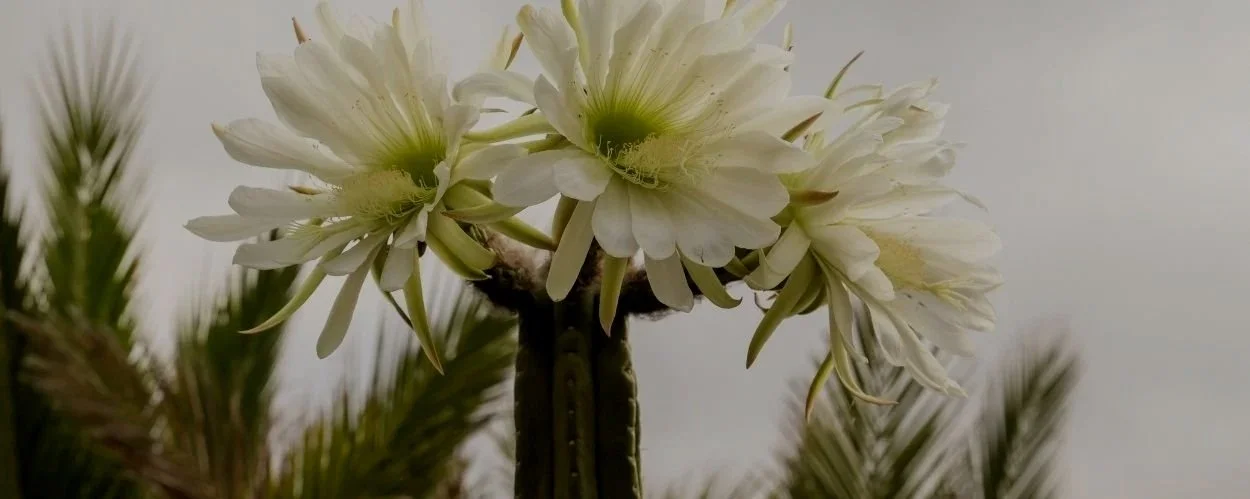
Wachuma is a cactus from the Andes mountains of South America. You may know it as San Pedro or Huachuma. It's been used in ceremonies for over 3,000 years. Andean healers worked with this plant long before modern borders existed, making it one of the oldest continuously used plant medicines on earth. Ancient carvings from the Chavin culture in Peru show figures holding the cactus, making it one of the oldest recorded plant medicines on earth.
The name "wachuma" comes from Quechua. It roughly translates to "removing the head," which points to how the medicine helps quiet the overthinking mind. The colonial name "San Pedro" came later, when Spanish settlers compared the cactus to Saint Peter, the keeper of heaven's gates. Both names speak to the same idea: this plant opens a door to something deeper inside you.
The active compound in wachuma is mescaline, a naturally occurring substance that affects how the brain processes mood, perception, and emotion. People who work with wachuma often describe feeling a deep sense of connection, emotional clarity, and openness. It works with the heart. It works gently. And for many people, that gentleness is exactly what they need.
How Wachuma Differs from Ayahuasca
Ayahuasca and wachuma are both plant medicines, but they create very different experiences. Ayahuasca tends to work with deep emotional release, visions, and purging. It often happens at night and lasts around four to six hours. The experience can feel intense and confrontational.
Wachuma takes a different path. Ceremonies usually happen during the day, often in nature. The experience lasts longer, around eight to twelve hours. People report feeling grounded, warm, and emotionally open rather than overwhelmed. Wachuma tends to bring clarity, meaning, and a sense of direction. Ayahuasca tends to bring catharsis and deep processing.
Some people are drawn to one. Some people work with both at different times. At Ruhani, we explore this with you during preparation so you can make an informed choice about what fits your needs.
What Happens During a Wachuma Ceremony
A wachuma ceremony at Ruhani starts with intention. Before the day of ceremony, you go through a preparation process. You talk about what you are working through, what you hope to understand, and what you need from the experience. This matters. The clearer your intention, the deeper the medicine can work.
On the day of ceremony, the group gathers in the morning. The setting is natural, quiet, and open. There is usually a blessing and a prayer to open the space. Then the wachuma brew is served. It tastes earthy and bitter. Within one to two hours, you begin to feel the medicine move through your body.
What comes next is different for each person. Some feel a wave of warmth and emotional openness. Some notice colors becoming more vivid, sounds becoming clearer. Some feel a deep stillness that lets them look at their life from a calm, honest place. The medicine rarely creates intense visions like ayahuasca. It works with awareness, presence, and the heart.
Throughout the day, you may walk in nature, sit in quiet reflection, listen to music, or journal. A trained facilitator holds the space and stays with you the entire time. You are never left alone in the process.
By evening, the active effects begin to ease. Most people feel a deep sense of peace, emotional lightness, and clarity. Some describe it as feeling "returned to themselves" for the first time in years.
The Role of the Facilitator
A Wachuma ceremony is only as safe as the person holding it.
At Ruhani, ceremony is led by Faisal Khattak, founder and creator of The Arbol Method. 15 years of direct ceremony experience. Licensed NLP Practitioner. Certified Hypnotherapist. Hundreds of plant medicine experiences safely facilitated across Wachuma and Ayahuasca traditions.
Faisal guides every retreat personally. You're not getting a junior facilitator running a protocol he built. You're getting the person who built it, in the room, for every step.
Wachuma at Ruhani: The Arbol Method
Wachuma is never offered as a standalone experience at Ruhani. It lives inside The Arbol Method, a structured framework that includes preparation, ceremony, and integration. This matters because the ceremony itself is only one piece. Without the work before and after, the experience can feel incomplete.
The Three Phases of The Arbol Method
Wachuma is the ceremony. The Arbol Method is the full structure around it.
Phase 1: Foundation (4 weeks, remote). Bi-weekly calls. Medical screening. Dieta preparation. Intention work. You arrive informed and ready.
Phase 2: Immersion (7 days, Costa Rica). Wachuma and Ayahuasca ceremonies. Sound therapy. Somatic work. Evening integration fire circles. Every day structured and guided.
Phase 3: Rooting (4 weeks, remote). Post-retreat integration calls. Personalized practices. Lifetime community access. The shift gets wired into your real life.
Most retreats give you the ceremony and call it done. The Arbol Method is what turns the ceremony into a permanent shift.
Before Ceremony: Preparation
Preparation helps the medicine work gently and clearly. You will have conversations with your facilitator about your mental and emotional state, your intentions, and your history. You will also receive guidance on diet, sleep, and how to create the right conditions for the experience. Preparation builds trust. It calms the nervous system. It gives the medicine a clear path.
During Ceremony: The Container
The ceremony space at Ruhani is intentional. Small groups or private sessions. Nature all around. Sound therapy woven into the experience, including instruments like didgeridoo, flutes, and singing bowls. The combination of plant medicine and sound creates a deeper layer of support for the nervous system. Everything is held with care, structure, and respect for the medicine.
After Ceremony: Integration
This is where most retreats fall short. The insights you gain during ceremony mean nothing if they don't make it into your daily life. Ruhani's integration process includes guided reflection, one-on-one conversations with your facilitator, and practical tools for applying what you learned. Integration is where wachuma's wisdom becomes lived truth.
We also offer a post-retreat integration program with Zoom calls, weekly support emails, and a downloadable Integration Journal. The work continues after you leave Costa Rica. That is by design.
"Wachuma doesn't take you away from life. It brings you back to it."
The Arbol Method, Ruhani Wellness Centre
Who Is a Wachuma Retreat For
Wachuma tends to support people who are disconnected, emotionally closed off, or living in their heads at the cost of their hearts. It's especially helpful for high-performing professionals who have built everything on intellect and now want to drop into the body and feel their life again. If you carry anxiety, stress, or a vague sense that something is off, wachuma may be the right starting point.
Wachuma can support: nervous system regulation, emotional openness, presence and embodiment, clarity around decisions, processing grief or loss, reconnecting with purpose and meaning.
This medicine is gentle. It does not demand that you break down. It asks you to open up. For people who have tried therapy, meditation, or other healing work and still feel like something is missing, a wachuma ceremony can offer a different doorway.
Is Wachuma Safe
When held in a proper ceremonial setting with an experienced facilitator, wachuma has a strong safety profile. It has been used for thousands of years across Andean cultures. At Ruhani, safety is built into every layer of the process: screening, preparation, a controlled setting, trained facilitation, and post-ceremony support.
Wachuma is not right for everyone. People with certain heart conditions, a history of psychosis, or those on specific medications may not be good candidates. This is one of the reasons we use an application process. We move slowly, with respect.
Wachuma vs. Ayahuasca: A Quick Comparison
Wachuma (San Pedro)
Comes from a cactus native to the Andes. Active compound is mescaline. Ceremonies happen during the day, often in nature. Lasts 8 to 12 hours. Described as gentle, heart-opening, grounding. Works with clarity, connection, and emotional warmth. The experience builds gradually and feels expansive.
Ayahuasca
Made from an Amazonian vine and leaf. Contains DMT. Ceremonies happen at night. Lasts 4 to 6 hours. Known for intense visions, emotional purging, and deep processing. Works with the subconscious, trauma release, and spiritual insight. The experience can be confrontational and cathartic.
Both medicines are offered at Ruhani. Your facilitator helps you explore which path fits your intentions.
What to Expect at a Wachuma Retreat in Costa Rica
Ruhani Wellness Centre is located in Guanacaste, Costa Rica. The environment is warm, green, and alive. You are surrounded by nature, which matters because wachuma works in relationship with the land.
Wachuma retreats at Ruhani come in two formats. Group format runs through The Reset Retreat with maximum 8 people walking the same 9-week process together. Private format runs through The Elite Immersion with the entire centre reserved for one person and nine days on-site.
Both use the same Arbol Method structure. Both include Wachuma ceremonies within the full 9-week container. The difference is whether the container is shared or held for you alone.
A typical wachuma retreat at Ruhani includes: pre-ceremony preparation calls, dietary and lifestyle guidance, one or more wachuma ceremonies, sound therapy sessions, integration conversations with your facilitator, access to the post-retreat integration program, and time in nature to reflect and rest.
We do not rush. We do not stack ceremonies. Everything is intentional, slow, safe, and honest.
Wachuma Retreats at Ruhani: Investment and Options
Wachuma ceremonies at Ruhani are available through two structured pathways:
The Reset Retreat (Small Group): $4,900 per person. A 9-week structured process that includes Wachuma and Ayahuasca traditions. 4 weeks preparation, 7 days on-site in Costa Rica (maximum 8 people), 4 weeks integration. Built for people who want the full container with community.
The Elite Immersion (Private): $20,000. Our flagship 9-week one-on-one protocol for founders, executives, and high-performing professionals. The entire centre is yours. Extended preparation, 9 days on-site, and 90-day follow-up with documented outcome tracking.
The Wachuma Vision Quest: $500-$950 per person, depending on group size. A one-day Wachuma experience in the national park for people who want to try the medicine before committing to a full retreat.
Frequently Asked Questions About Wachuma
How long does a wachuma ceremony last?
A wachuma ceremony typically lasts 8 to 12 hours. It begins in the morning and the active effects ease by evening. The full retreat experience, including preparation and integration, spans several days.
Is wachuma legal in Costa Rica?
Wachuma (San Pedro) is used in ceremonial settings in Costa Rica. The legal landscape around plant medicines varies by country and context. We encourage you to do your own research. At Ruhani, ceremony is held with care, structure, and respect for the medicine and the law.
What does wachuma feel like?
Most people describe wachuma as warm, grounding, and emotionally opening. You may feel heightened awareness of nature, deep stillness, or waves of emotional clarity. It is rarely overwhelming. The medicine works gently, with the heart rather than against the mind.
Can I do wachuma if I have never done plant medicine before?
Yes. Wachuma is often a good starting point for people new to plant medicine. Its gentle nature makes it easier to navigate, especially with proper preparation and an experienced facilitator. At Ruhani, first-time participants go through a thorough screening and preparation process.
What is the difference between wachuma and San Pedro?
They are the same plant. Wachuma is the original Quechua name. San Pedro is the colonial Spanish name. Some practitioners also spell it "huachuma." All three names refer to the Echinopsis pachanoi cactus.
How do I prepare for a wachuma ceremony?
Preparation includes dietary adjustments (light, clean eating), avoiding alcohol and certain substances, setting clear intentions, and having conversations with your facilitator. At Ruhani, preparation is built into the retreat structure and starts before you arrive.
What happens after the ceremony?
Integration. This is where the real work lands. After ceremony, you will have conversations with your facilitator, time for journaling and reflection, and access to Ruhani's post-retreat integration program including Zoom sessions and a guided Integration Journal.
Is wachuma right for anxiety and burnout?
Many people find wachuma supportive for anxiety, nervous system regulation, and recovery from burnout. It promotes presence, grounding, and emotional openness. That said, plant medicine is not a replacement for professional mental health care. It is one part of a larger healing process.
Ready to Explore Wachuma?
Three paths depending on where you are right now.
If you want the full container: The Reset Retreat is the most common starting point. 9 weeks structured, maximum 8 people, Wachuma and Ayahuasca both included. Learn about The Reset Retreat
If your situation calls for privacy: The Elite Immersion is our flagship private 9-week protocol with the entire centre held for one person. Learn about The Elite Immersion
If you want to try Wachuma first: The Vision Quest is a one-day experience in the national park. Learn about The Vision Quest
Not sure which fits your situation? Book a clarity call, and we'll figure it out together.
This page is for educational purposes. Sacred plant medicines require respect, proper preparation, and skilled facilitation in a ceremonial setting. At Ruhani, every experience includes medical screening, preparation, trained facilitation, and post-ceremony integration support.